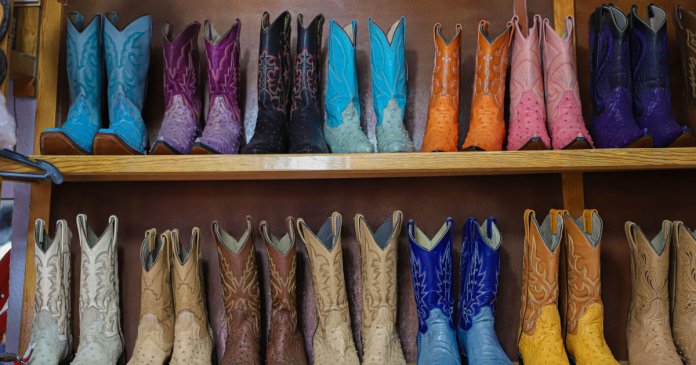
Influence of Tariffs on the Leather Industry
The leather industry in the USA is facing significant challenges due to tariffs imposed by the Trump administration. These tariffs have resulted in increased production costs, directly impacting the profit margins of companies within this sector. Producers are compelled to bear additional expenses for imported raw materials, which is reflected in the final prices of products. Moreover, tariffs have led to a decline in competitiveness in the international market, meaning American products are becoming less appealing to buyers in other countries. This situation has already prompted some companies to reduce their production or seek alternative markets. Simultaneously, the leather industry faces the risk of job losses as companies attempt to offset high costs by downsizing their workforce. Thus, the effects of tariffs are felt not only at the price level but also socially, impacting communities that rely on this industry.
Reactions from Producers and Merchants
Producers and merchants in the leather industry have expressed concern over the new tariffs imposed. Many of them have voiced worries regarding the viability of their businesses, given that profit margins are already under pressure. In light of these challenges, some producers have started to explore alternatives to mitigate financial impacts, such as renegotiating contracts with suppliers or seeking new sources of raw materials that are not affected by tariffs. Merchants, in turn, are worried about decreasing consumer demand as the final product prices rise. They fear that tariffs could lead to a decline in sales, which could have serious consequences for their businesses. To alleviate negative effects, some merchants have started offering discounts or promotions to maintain customer interest. Additionally, there is increased pressure on supply chains, prompting companies to rethink their logistics strategies to avoid delays and additional costs. Despite these efforts, uncertainty remains a major issue, and many companies are skeptical about the long-term future of the leather industry in the current context.
Long-Term Economic Effects
The long-term economic effects of the tariffs imposed on the leather industry in the USA are complex and potentially devastating. Firstly, the increase in production costs driven by tariffs can lead to persistent inflation in leather goods prices, affecting consumers’ purchasing power. As prices continue to rise, demand for these products may decrease, resulting in a contraction of the domestic market. This decline in demand could lead to a reduction in investments in the sector, impacting innovation and the development of new products.
In the long run, tariffs could force companies to relocate production to other countries to avoid additional costs, which could result in a significant loss of jobs in the USA. This relocation of production would not only directly affect employees in the leather industry but would also have a domino effect on local economies that depend on this sector.
Furthermore, the loss of competitiveness in the international market could have long-term consequences for American leather exports. As other countries strengthen their positions in global markets, the USA may face significant challenges in regaining its lost market share. This could lead to a decline in export revenues, affecting the country’s trade balance.
Ultimately, the long-term economic impacts of tariffs could undermine the stability and growth of the leather sector in the USA, putting pressure on the government to find solutions to support affected companies and protect jobs. Without appropriate interventions and support policies, the leather industry risks entering a prolonged decline, with significant repercussions for the national economy.
Adaptation Strategies and Alternative Solutions
In response to these challenges, companies in the leather industry have begun to implement various adaptation strategies to survive in the context of high tariffs. A frequently encountered approach is diversifying supply sources. Producers are seeking suppliers from countries that are not affected by the imposed tariffs, thereby attempting to reduce production costs. This not only helps maintain price competitiveness but may also lead to the establishment of new trade partnerships that offer greater flexibility in the supply chain.
In addition to diversifying sources, adopting advanced technologies represents another viable solution. Investments in automation and digitalization can contribute to streamlining production processes and reducing operational costs. For instance, utilizing computer-assisted cutting and processing technologies can decrease the amount of raw material needed, thus minimizing waste and associated costs.
Another important aspect of adaptation strategies is focusing on niche products and customizing offerings. Instead of competing in the mass market, some companies choose to focus on luxury or customized products that can justify higher prices and, by extension, better profit margins. This not only allows them to avoid fierce competition but also to create a loyal customer base willing to pay more for quality and exclusivity.
In addition to internal measures, collaboration with local governments and industry organizations for obtaining support and subsidies can be another solution. This support may come in the form of tax reductions, investment subsidies in technology, or vocational training programs for employees aimed at enhancing skills and efficiency.
Sursa articol / foto: https://news.google.com/home?hl=ro&gl=RO&ceid=RO%3Aro